
Water damage work follows a sequence, and the sequence matters. Skipping ahead to repairs before the structure is dry is the most common way a small loss becomes a large one. The industry standard ANSI/IICRC S500 describes the professional practice, and you can ask any company whether its crews work to it.
What follows is a plain-language outline, not a specification.
Stage one: assess and stop the source
The crew starts by finding where the water came from and whether it is still running. They check for electrical hazards, look for water that has traveled into other rooms and decide how contaminated the water is. Clean supply water, used appliance water and sewage are handled very differently, so the category call shapes everything that follows.
Moisture meters and thermal cameras show wet material that the eye cannot. A floor that looks dry can hold water in the pad, the subfloor or the wall base.
Stage two: remove water and wet materials
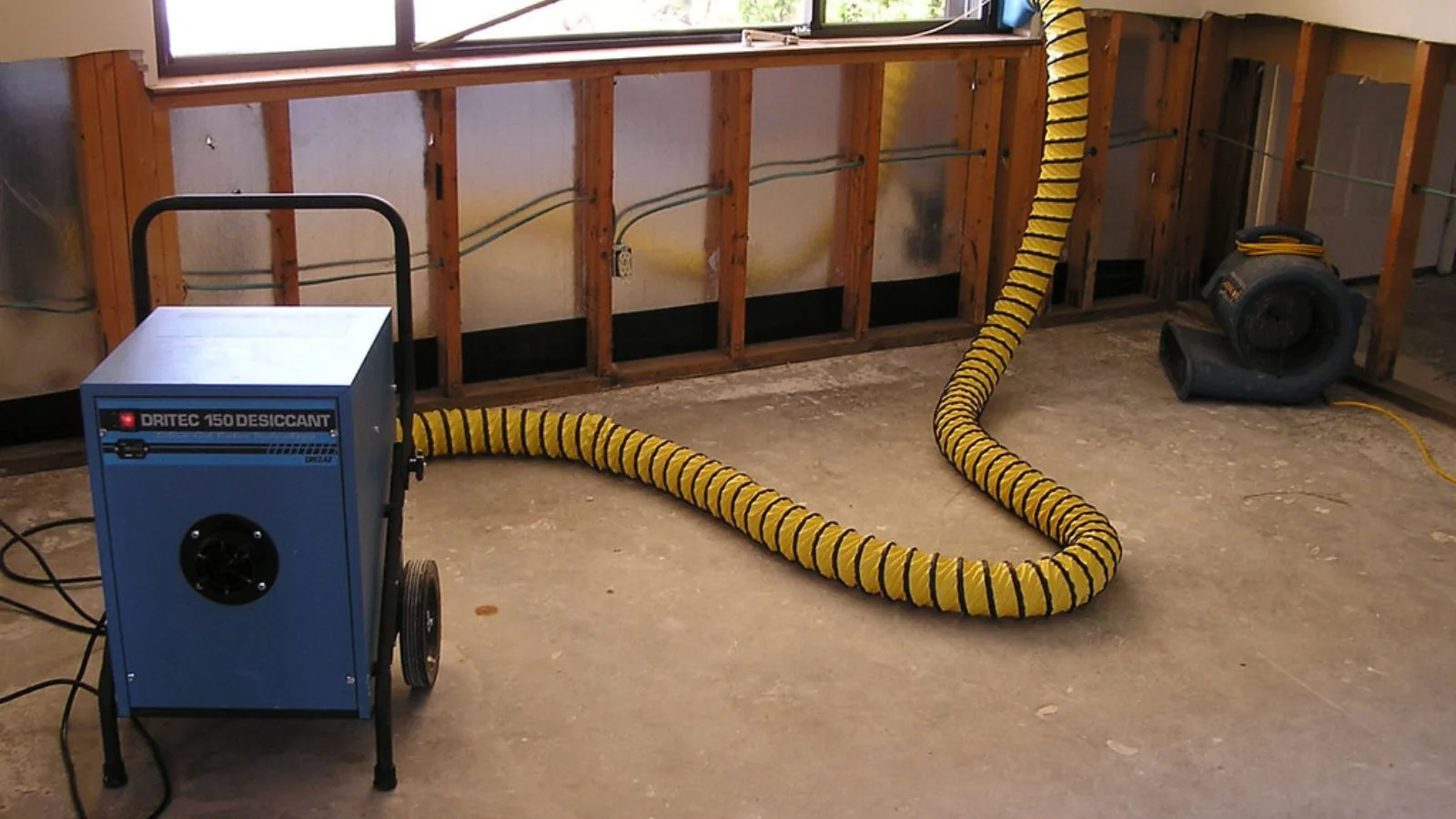
Standing water goes first, using pumps and extractors. Then the crew decides which materials can be dried in place and which must come out. Saturated carpet pad, wet insulation and drywall that has soaked up water above a short height are common removals. The goal is to open the structure so air can reach the wet surfaces.
Ask which materials are coming out and why. A fair answer refers to readings and to how long the material stayed wet, not to a general habit of tearing everything out.
Extract
Pumps and extraction units pull surface and pooled water.
Open up
Baseboards, pad and wet drywall come out where drying in place will not work.
Dry
Air movers and dehumidifiers pull moisture from the structure.
Verify
Readings are taken again until materials reach dry standards.
Stage three: structural drying
Drying is where the job is won. Air movers push air across wet surfaces and dehumidifiers pull the moisture out of the room's air. The crew returns to read the moisture levels, move equipment and adjust the setup. A job that is not checked is a job that may not be dry.
Our page on structural drying and dehumidification explains the equipment and the readings in more detail. Drying time depends on the materials, the amount of water and the conditions in the house, so honest estimates come as ranges.
Want to know what drying involves?
Call (833) 521-1033 and describe your situation. We explain the scope and price before work starts.
Stage four: clean and sanitize
Surfaces touched by water are cleaned. When the water was contaminated, cleaning goes further and some porous materials are removed rather than saved. Odor control is part of this stage. A lingering smell usually means moisture is still present somewhere, and that is a drying question before it is a cleaning one.
Stage five: documentation and repairs
Before rebuilding begins, the readings should confirm that the structure is dry. The paperwork then shows the starting and ending readings, the equipment used and the materials removed. Repairs follow, and they may be done by the restoration company or by a separate contractor. If rebuilding is part of the plan, make sure the scope states exactly which finishes are being replaced.
For examples of what that rebuild scope looks like, see our page on wall and drywall repair.
What the job costs, in general terms
Category of water
Clean, gray and black water need different handling.
Area affected
More rooms and more square feet mean more equipment and time.
Materials
Hardwood, carpet, drywall and insulation respond differently.
Drying days
Equipment stays until readings say the structure is dry.
Questions to ask the crew at each visit
- What are today's readings compared with yesterday's?
- Which areas are drying well, and which are lagging?
- Has any equipment been moved, added or removed, and why?
- Is any new wet material showing up that was not in the scope?
These questions keep the job visible. A crew that records readings each visit can answer them in seconds, and the answers tell you whether the end date is realistic.
Ask for a copy of the final readings and the equipment log when the job ends. They are the proof that the structure reached dry standards, and they are the paperwork a later buyer, lender or insurer may ask to see.
Neighbors in Berlin, Atco, Blackwood and Clementon can find our coverage on the service area page.
Safety during the work
- Stay out of rooms where crews are running extraction or demolition.
- Keep cords and hoses clear so no one trips.
- Ask before switching off any drying equipment.
Local question
How long does drying usually take after water damage in Sicklerville?
It depends on the materials, the volume of water and the conditions in the house. Many jobs take several days, and some take longer. Ask the crew for the starting readings and the readings that mean the job is done.
Why the ground matters here
Rutgers describes the soils of the Pine Barrens, which cover most of Winslow Township, as sandy and porous. Rain outdoors tends to soak into that ground quickly. Water that gets inside a house has no such outlet, so it spreads through flooring and wall bases and has to be removed by extraction and drying.
That difference is why the first hours of a job matter. Surface water that is pumped out early leaves less to dry.