
Structural drying is the controlled removal of moisture from walls, floors, ceilings and framing after water damage, using air movers, dehumidifiers and moisture meters. If something in your home got wet and you are not sure it is dry, call (833) 521-1033. The line is open 24/7.
Water mitigation is the broader term for the first phase of a water loss, which includes stopping the source, extracting water and drying. This page covers the drying part in detail, because it is the part people usually cannot see and the part that decides whether mold, odor and warping follow.
Symptom to solution: the carpet is soaking and the wall feels damp
Most people reach this page by asking why a floor still feels cold and damp days after a leak, or whether a fan from the hardware store is enough. A fan moves air across a surface. It does not remove water from sub-floor, pad, studs or insulation. Structural drying does that by managing humidity, airflow and temperature together and by checking the results with meters.
What the equipment does
| Equipment | Job | Plain explanation |
|---|---|---|
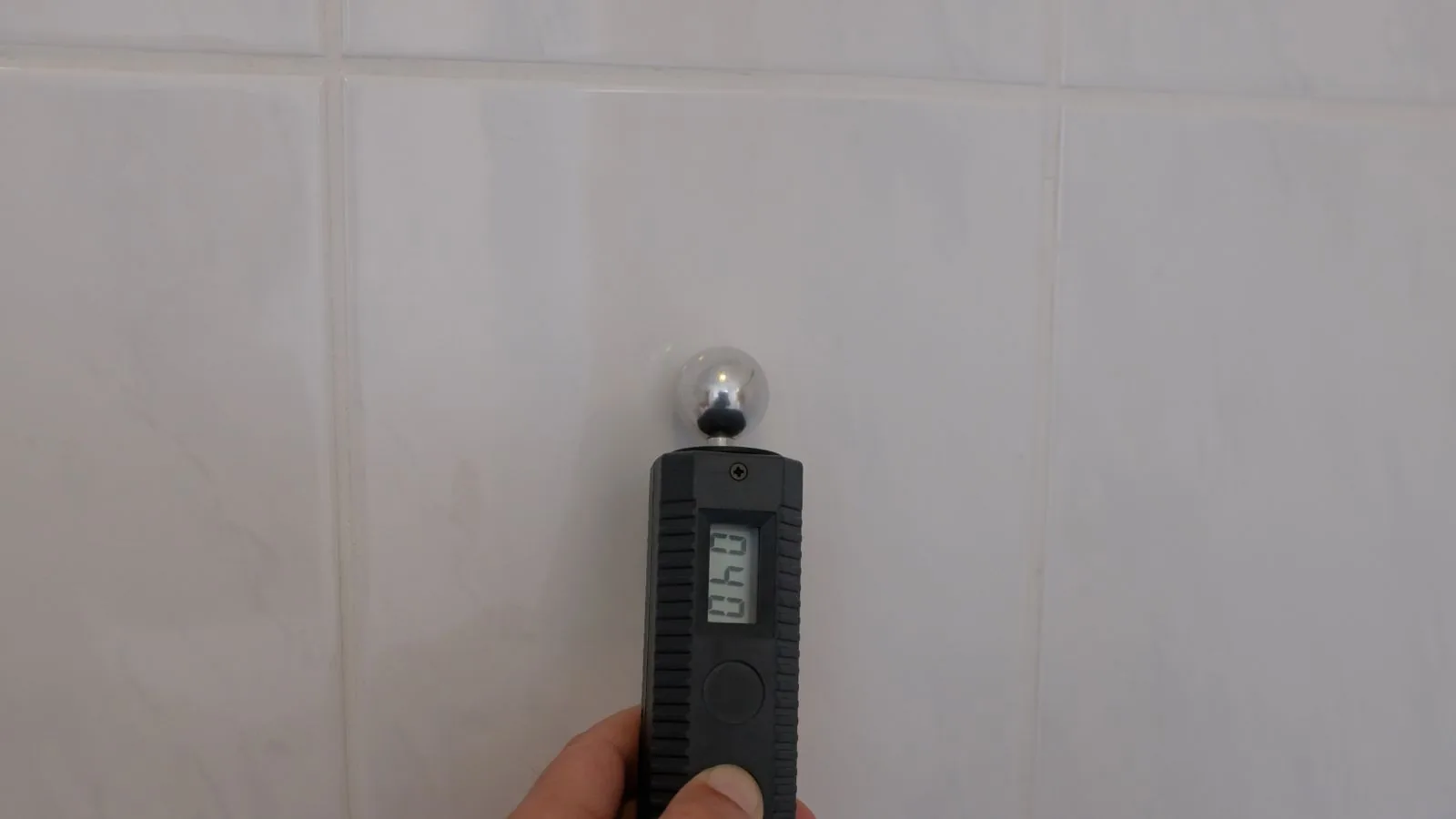
| Moisture meter | Measures moisture in building materials | Shows where the water actually is and when a material is dry |
| Thermal camera | Finds temperature differences from wet areas | Helps spot water behind finished surfaces |
| Air mover | Moves air across wet surfaces | Speeds evaporation from floors and wall bases |
| Dehumidifier | Removes water vapor from the air | Lets evaporation keep going instead of stalling in humid air |
| Extraction unit | Pulls bulk water first | See water extraction |
Equipment is used on your job and then picked up. We do not rent air movers or dehumidifiers to homeowners as a stand-alone service, and the right equipment count depends on the volume of wet space. A common mistake is running one dehumidifier in a house where several rooms are wet.
Not sure it is dry?
Call (833) 521-1033. We answer 24/7 and can explain what a moisture map shows.
How drying is done
Map the moisture
Readings across floors, walls and ceilings set the starting point.
Set the equipment
Air movers and dehumidifiers are placed for the actual wet space.
Monitor daily
Readings are taken again and equipment is adjusted.
Confirm dry
Equipment comes out when materials reach dry standard.
Drying time depends on the material, the water category, the amount and the indoor air. Drywall and carpet generally dry faster than hardwood, concrete and framing. Some jobs finish in a few days, and others run longer. We tell you the plan and the readings that drive it.
ANSI/IICRC S500 and why it matters
S500 is the published standard for professional water damage restoration. It defines water categories and classes of loss and sets out how drying should be monitored. You can ask any company you consider whether its work follows it, and ask to see the readings that show materials are dry before any rebuild begins.
Drying in Sicklerville homes
Indoor humidity matters. Southern New Jersey summers are humid and winters are dry in heated houses, so drying plans change by season. Rutgers climatologists note that most of the state sees 25 to 30 thunderstorms per year. A wet-weather week can slow a drying job because outdoor air is already humid.
We dry homes in ZIP 08081 and in nearby Berlin, Atco, Blackwood and Clementon. If you have a particular wet floor, carpet, hardwood or drywall, those pages explain how each material behaves.
What changes the cost of drying
Wet square footage
More wet space means more equipment and monitoring.
Material type
Dense materials like hardwood and concrete need more time.
Water category
Contaminated water means removal rather than drying for porous items.
Days on site
Equipment time and monitoring visits accumulate.
Access
Walls, cabinets and tight spaces change how air reaches the water.
Insurers usually ask for drying logs and moisture readings, so ask for a copy. Coverage for sudden water losses is common, and gradual damage often is not, so ask your insurer. Call (833) 521-1033 to have scope and price explained before work starts.
Before help arrives
- Keep equipment cords out of standing water and off wet floors.
- Do not move or switch off equipment without asking the crew.
- Keep children and pets away from air movers and hoses.
- Ask for the moisture log at each visit.
Structural drying questions
Do you offer structural drying outside business hours in Sicklerville?
Our phone line is open 24/7. Equipment is set up at the start of a job and monitored through the drying period.
How long does drying take?
It depends on the material, the amount of water and the indoor air. Moisture readings decide, not a calendar.
Can I rent the equipment and do it myself?
We do not rent equipment as a separate service. The equipment and the readings work together, and the results depend on both.
Is water mitigation the same as structural drying?
Mitigation covers stopping the source, extraction and drying. Structural drying is the drying portion.