
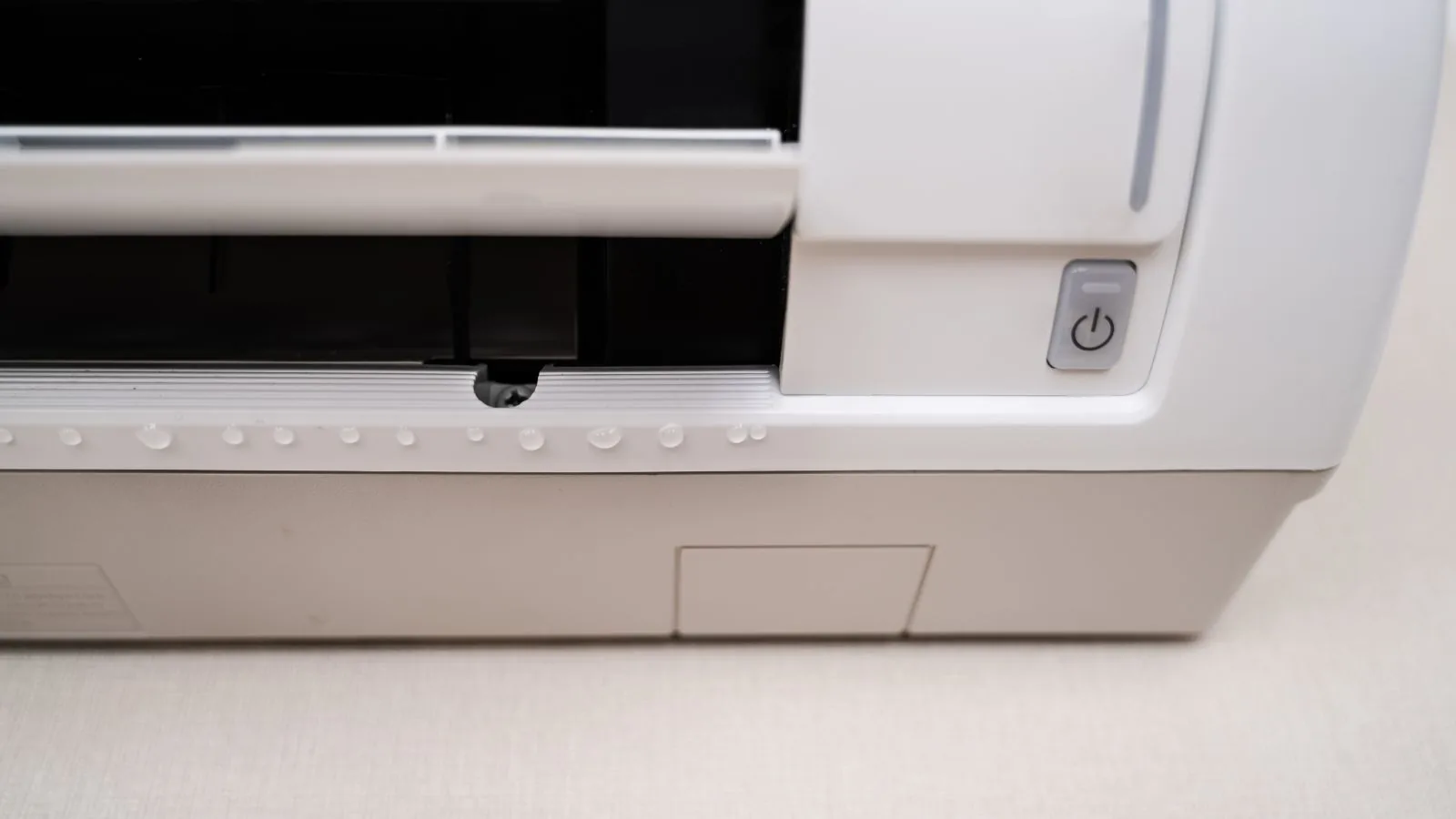
An air conditioner or air handler that leaks water can ruin drywall, insulation and flooring without ever looking like a plumbing emergency. If you see a stain beside an air handler, a wet closet floor or a dripping vent, turn the system off, put a bucket under the drip and call (833) 521-1033. We answer 24/7.
AC leak water damage is the wetting of building materials by condensate or coolant-side water from a cooling system. A clogged condensate line, a rusted drain pan or a failed pump can send gallons into a ceiling or closet during hot weather.
Where AC water goes
Air handlers sit in attics, closets, basements and crawl spaces. When the primary drain clogs, the pan overflows and water follows gravity. In an attic that means insulation and the ceiling below. In a closet it means carpet, pad and drywall at the base. Because condensate is produced every hot day, a slow leak can run for weeks.
Callers often find the problem when a hardwood or laminate floor next to a closet begins to cup, or when a stain appears on a ceiling right below the attic unit. Tracing it back to the air handler saves a lot of guessing.
| Air handler location | First sign | Damage we check |
|---|---|---|
| Attic | Ceiling stain or sag below | Insulation, ceiling board, ceiling repair |
| Closet or utility room | Wet carpet, musty smell | Carpet and pad, wall base, floor edges |
| Basement or crawl space | Damp floor, mold-like odor | Sub-floor, framing, see crawl space water damage |
| Wall-mounted unit | Drip at the wall or below | Drywall, trim, floor below |
AC leaking into the house?
Turn the system off and call (833) 521-1033. Our line is open 24/7.
What to do now
- Switch off the air conditioner at the thermostat and, if safe, at the disconnect.
- Place a pan or bucket under the drip and keep the floor around it dry.
- Do not clear the drain line while standing in water near electrical equipment.
- Photograph the unit, the drain line and the damaged surfaces.
- Call an HVAC technician to fix the cause and call us to dry what got wet.
HVAC repair and drying are separate jobs
Clearing a condensate line, replacing a pan or fitting a float switch is HVAC work, and we do not do it. Our scope is the drying and repair after. If a technician has already cleared the line, we still check the ceiling or closet, because it often holds water long after the dripping stops.
Moisture left behind is also where odor and growth problems begin, and S500 practice calls for drying wet materials to dry standard. A closet carpet that is wet for several days is a different problem from one wet for a few hours.
Cooling-season leaks near Sicklerville
Cooling systems run hardest in July and August, which is when clogged condensate lines most often overflow. In ZIP 08081 and nearby Berlin, Atco, Blackwood and Clementon, ceiling stains in summer are as likely to come from an attic air handler as from the roof. Checking the unit first costs nothing and keeps the roof from being blamed unfairly.
Cost factors for AC leak repair
Duration of the leak
Weeks of slow dripping saturate more than a single overflow.
Where the unit sits
Attic leaks affect insulation and ceilings, closet leaks affect flooring.
Materials
Carpet, wood floors and drywall each carry a different drying and repair scope.
Drying days
Equipment stays until readings reach dry standard.
Rebuild
Ceiling patching, texture and paint after drying.
Insurance treatment of AC overflow depends on the cause and policy, and gradual leaks are often excluded, so ask your insurer. Call (833) 521-1033 and we will explain scope and price before work starts.
AC leak questions
Do you work on air conditioner leaks outside business hours in Sicklerville?
Yes. The phone line is open 24/7, though AC leaks are usually not as urgent as active flooding. Turn the system off and call whenever you notice water.
Can you clear the condensate line?
No. That is HVAC service. We dry and repair what got wet.
Why does a closet next to my air handler smell musty?
Condensate can soak carpet and drywall in the closet. A moisture reading will show whether the area is still wet.
Will my ceiling stain go away on its own?
No. Stains do not fade once the drywall has absorbed water, and a wet ceiling needs to be dried before it is patched.