
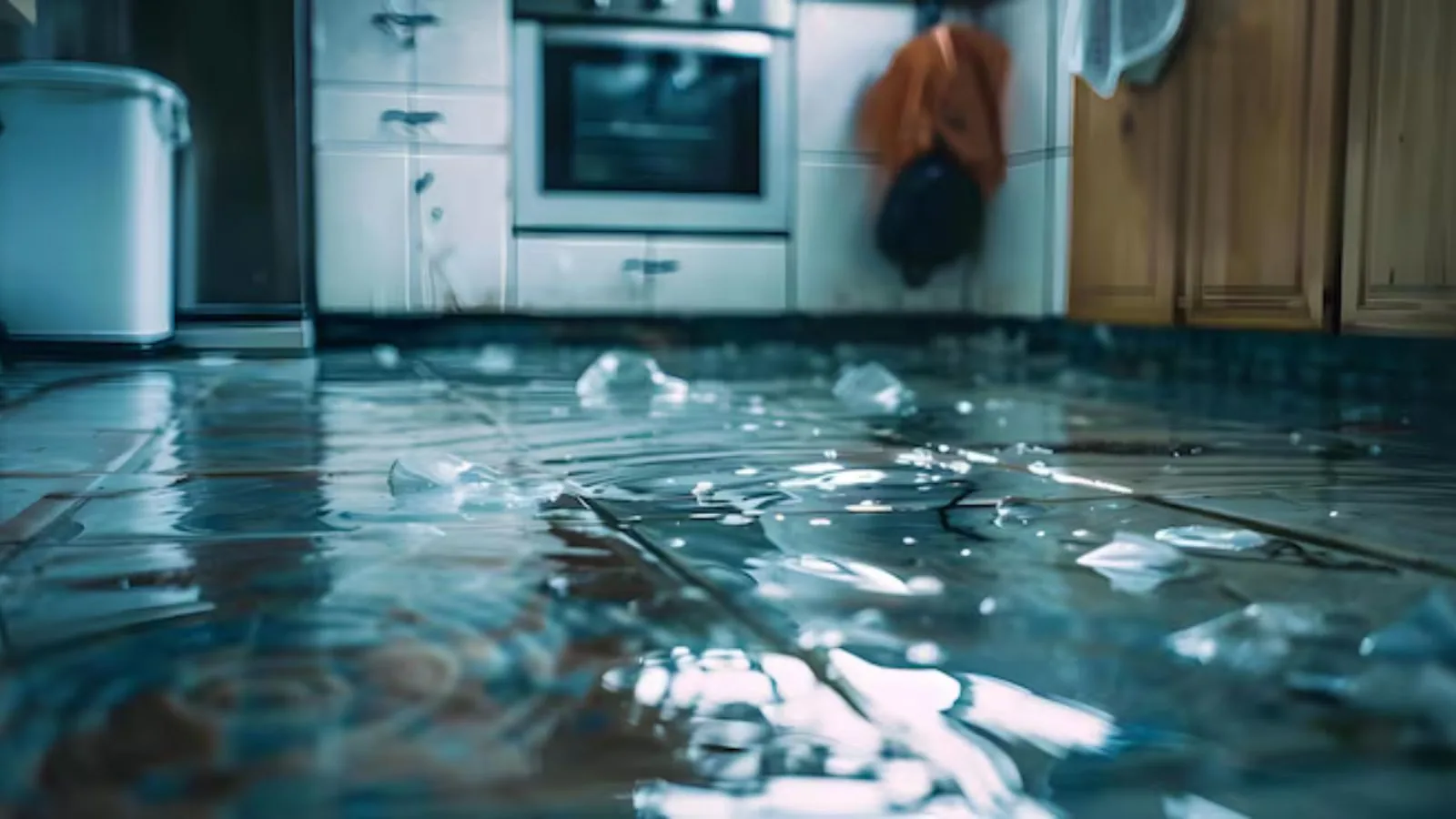
A claim is a story told with paper. The adjuster was not in your kitchen when the line burst, so the photos, notes and receipts you collect are how the event gets described. People who collect them early tend to have a smoother time than people who try to rebuild the story weeks later.
This guide is general information. It is not advice about any specific policy, and your insurer makes the coverage decision.
What New Jersey regulators ask homeowners to do
The New Jersey Department of Banking and Insurance advises policyholders to report a loss promptly, take photographs, make reasonable efforts to protect the property from further damage and keep receipts for what they spend. Those four habits cover most of what follows.
Reasonable efforts to protect the property does not mean heroic repairs. It means shutting off the water where possible, removing standing water and starting the drying process rather than leaving a wet house to sit.
Build the record in this order
Source and scene
Photograph the failed pipe, appliance or opening before anything is moved or repaired.
Wide to close
Shoot each room from the doorway, then close up on stains, swollen trim and wet floors.
Contents
Photograph every damaged item, with a note of its age and rough value.
Time stamps
Keep the original files. The date and time data supports the sequence of events.
Paper to keep
- The claim number and the name and phone of every person you speak with at the insurer.
- Dated notes of each call, including what was promised and what was asked of you.
- Invoices and receipts for emergency work, equipment, hotel nights and replacement items.
- Plumber or repair reports that name the cause of the leak.
- Moisture readings and drying logs from the restoration company.
- A written scope of the work and any change to it, see wall and drywall repair for an example of what scope lines look like.
The home inventory problem
Contents claims stall when owners cannot say what was lost. If you do not have a home inventory, build one now, before any loss. Walk through each room with a phone and narrate what is on the shelves, in the closets and in the drawers. Store the video outside the house, such as in a cloud account.
After a loss, add model numbers where you can see them. A photo of a label on the back of a damaged appliance does more work than a paragraph of description.
Not sure what to photograph first?
Call (833) 521-1033. We can talk you through it while the water is being dealt with.
Mitigation records are part of the claim
Restoration records show what was wet, what was removed and how long drying ran. When a crew handles water extraction, ask for the moisture readings at the start and the finish, a list of materials removed and the equipment days. These are the facts an adjuster usually needs to see.
Ask for the paperwork in plain terms. You are entitled to understand what you are signing and what each line means before work begins.
Common mistakes
| Mistake | Why it hurts | Better habit |
|---|---|---|
| Throwing away wet items at once | No proof of what existed | Photograph first, then dispose |
| Waiting days to report | Damage grows and the cause gets harder to prove | Report promptly, even if the full cost is unknown |
| Accepting the first number | Hidden wet areas appear later | Ask what the scope covers and what it leaves out |
| Losing receipts | Out of pocket costs cannot be shown | Keep a folder or a photo of each one |
If you disagree with a decision
Ask the insurer to explain its decision in writing and to point to the policy language it relied on. Provide any new records you have. If the disagreement continues, the Department of Banking and Insurance accepts consumer questions and complaints. Keep your tone calm and your notes dated. Clear, factual records are your strongest tool.
A short timeline you can follow
Day one is for safety, photos and the first call to the insurer. Days two and three are for the plumber's report, the restoration paperwork and a first inventory of damaged items. The following week is for answering the adjuster's questions and comparing scopes. Writing the dates beside each task keeps the file honest and makes later calls short.
If the loss is outside Sicklerville, check the service area page for the towns we cover.
Safety while you document
- Do not step into water near outlets just to get a better photo.
- Photograph from the doorway first, then close up from dry ground.
- Keep wet electronics unplugged until they are checked.
Local question
Who can I call in New Jersey if I am confused about my claim?
The New Jersey Department of Banking and Insurance runs a consumer information line at 609-292-7272. Have your policy number and claim number ready, along with your dated notes.
Records that match local weather events
Weather leaves its own paper trail. The National Weather Service office in Mount Holly publishes local storm reports for this part of New Jersey, and those public records can help show that a heavy rain event really happened on a given date. They are regional rather than specific to Sicklerville, so treat them as supporting detail.
If your loss followed a named storm, note the date in your claim file and keep local news or weather service pages in a folder with your photos.