
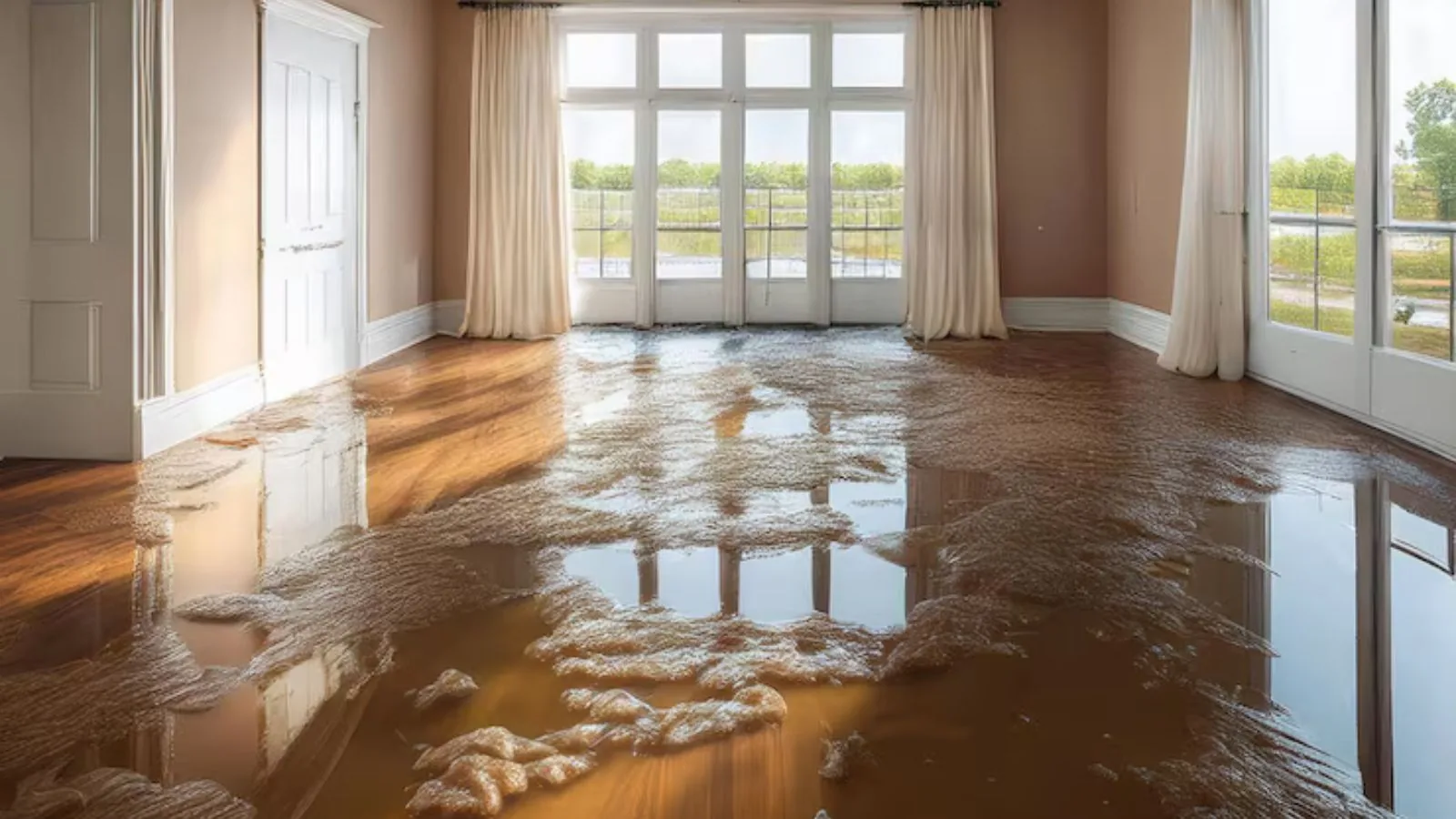
Storms do not give much warning, but you can prepare long before one. Most of the work takes an afternoon. The payoff is a house that sheds water better, a family that knows what to do and a record that makes any later claim simpler.
This is a general checklist. Adjust it for your home.
Outside the house
- Clear gutters and downspouts of leaves and debris.
- Point downspouts away from the foundation, ideally several feet.
- Check the grading so the ground slopes away from walls.
- Look at the roof for missing, lifted or cracked shingles and for flashing that has pulled away.
- Clear storm drains and low spots near the house.
- Trim limbs that hang over the roof.
Inside the house
Test the sump pump
Pour water into the pit and confirm the pump starts and discharges.
Find the shutoffs
Know where the main water valve and the electrical panel are.
Raise valuables
Move boxes and electronics off the basement floor.
Check windows and doors
Look for gaps, failed caulk and stains below the frames.
Photograph the house before the season
Take photos or video of every room, the exterior and any finished basement. Date them and store a copy outside the house. If water damage happens, you will have a clear before picture. That makes it easier to show what changed and what was lost.
Also take a quick inventory of larger items and note model numbers. It is much easier to do on a quiet weekend than after a loss.
Build a small kit
| Item | Why |
|---|---|
| Flashlights and extra batteries | Power outages often come with storms |
| Phone chargers and a battery pack | You will need to call and take photos |
| Contact list on paper | Insurer, agent, plumber and utilities |
| Work gloves and boots | For handling debris and wet items |
| Plastic sheeting and tape | Short term protection for a leak |
| Insurance policy copy | Policy number and phone for claims |
Storm water already inside?
Call (833) 521-1033. The line is open 24/7.
When water arrives
Safety comes first. Stay out of water near outlets and the panel. If the water is rising, move to a higher floor. Shut off the main water valve if a pipe has failed. Do not use a household vacuum on water. Photograph the damage before moving items.
Then call. Our page on storm water damage cleanup explains what happens next, and our water extraction page covers how standing water is removed.
Check your coverage now
Standard homeowners policies do not cover flooding, according to the New Jersey Department of Banking and Insurance. Flood coverage is separate and usually has a waiting period of about 30 days. If you want it for the coming season, ask about it well ahead of the first big storm.
Ask also about water backup coverage and your deductible for wind and water. These are questions an agent can answer in one call.
A one hour prep plan
First ten minutes
Walk the exterior and clear the gutters or downspouts you can reach safely.
Next twenty
Test the sump pump, find the shutoffs and label them.
Next twenty
Photograph each room and the exterior, then save the files off site.
Last ten
Put the kit, the policy copy and the contact list in one place.
An hour spent now is worth far more than an hour spent during a storm. Put a reminder in your calendar twice a year, spring and fall, so the check becomes a habit.
If you rent, do the parts you can and send the landlord a short note about gutters, drains and roof leaks.
After the storm
Wait for the all clear before going into flooded areas. Look for downed lines, damaged gas fittings and structural damage. Photograph before you clean. If water got in, start drying quickly, since materials that stay wet for days are much harder to save.
Neighbors can help each other too. Share the location of shutoffs, the number for a plumber and any tips about where water tends to collect on your street. A short group message before the season starts can save everyone time.
For the full list of towns near Sicklerville that we serve, see the service area page.
After a storm, ANSI/IICRC S500 is the published standard that sorts floodwater into categories and shapes what can be saved.
Local question
What should I do first when storm water enters a Sicklerville basement?
Stay out of the water if outlets or the panel are near. Shut off power only if you can do so from dry ground. Photograph the damage, then call for help. Do not use household appliances to remove water.
What a regional storm looked like
The remnants of Ida crossed the region in early September 2021, and National Weather Service storm reports described road flooding in the Blackwood area and damage in Wenonah, both nearby communities. They are regional reports, not Sicklerville records.
Reports like these show how quickly a heavy rain event can turn into road flooding and property damage nearby. The state climatologist notes that southern New Jersey sees about 25 to 30 thunderstorms in a typical year.